Last fall, as leaves turned and evenings cooled, I found myself staring at an empty fridge on Sunday nights, feeling that familiar restless pull toward takeout. Shifting to a veggie-centered weekly plan changed that—meals felt steady and nourishing without extra effort. It started small, just jotting down a few ideas over tea, and soon my weeks flowed with less scramble. Those quiet planning moments brought a calm I didn't expect, turning routine into something grounding.
One Sunday, after a long week, I sat with a warm mug and a simple notepad. The air smelled of rain, and I let my mind wander to what felt good in my body lately—crisp greens, roasted roots. No rigid lists, just gentle notes on what might carry me through.
The Sunday Reset: Carving Out Space for Gentle Planning
Sundays have become my soft landing for the week ahead. I clear a corner of the kitchen table, brew some herbal tea, and pull out a notepad—no apps, just pen and paper. It takes about 20 minutes, but that space lets ideas settle without rush.
Last week, with kids' soccer games looming, I glanced at the calendar first. Then I thought of carrots and kale from the market. Jotting it down felt like a small anchor amid the week's pull.
This ritual eases the Monday dread. Evenings feel less chaotic when the plan waits on the fridge. It's not about perfection, just a steady rhythm to lean on.
When I weave in thoughts from a Balanced Weekly Nutrition Plan for All-Day Energy, it rounds out the picture nicely. Veggies take center stage, but balance keeps things sustainable.
Why Veggies Bring Steady Energy to My Everyday Plates
I've noticed how more greens on my plate leave me feeling calmer through the afternoon. A simple lunch salad—romaine, cucumber, a few cherry tomatoes—holds me steady without the post-meal slump. It's that quiet fullness that surprised me most.
Evenings used to drag with tiredness after heavy meals. Now, with broccoli or zucchini stirred in, I have room for a walk or reading. It shifts the whole day's rhythm toward steady rather than restless.
Think of it in daily slices: Monday's stir-fry with peppers keeps lunch light. By Thursday, spinach in eggs wakes me gently. These small swaps build a calm undercurrent.
No big claims, just what I've felt in my own kitchen. Pairing this with a Weekly Nature Stroll Routine to Refresh Your Mood amplifies that grounded energy even more.
Curating a Cozy Veggie Pantry That Lasts the Week
I keep it simple: roots like carrots and sweet potatoes for roasting, leafy greens such as kale or spinach for wilting. Onions and garlic sit in a bowl, ready for any pan. A few bell peppers add color without fuss.
Recently, at the weekend market, I grabbed zucchini and eggplant on impulse. They lasted through Wednesday's grill, then softened into Friday's soup. Picking what's in season keeps it fresh and easy.
Stock these staples Sunday morning. They bridge gaps when life pulls you away from shopping. It creates that cozy reliability I crave.
Layer in frozen peas or corn for quick wins. My drawer stays versatile, mirroring the week's unpredictable flow.
Layering in Flavor Without Fuss: My Go-To Veggie Boosts
Fresh herbs like basil or cilantro brighten everything—no chopping marathons needed. A quick lemon squeeze over roasted broccoli wakes the senses. Olive oil and salt do the heavy lifting.
One Tuesday dinner: zucchini sliced thin, tossed with garlic and thyme, then pan-fried. It paired with eggs for a warm, fragrant plate. Ten minutes total, yet it felt intentional.
Experiment with cumin on carrots or ginger in stir-fries. These touches turn simple into satisfying. Keep a jar of spices handy; they invite creativity without overwhelm.
It's the ease that sticks—flavor builds calm around the veggies, not extra work.
Mapping Your Week: A Simple Flow for Veggie Meals
This flow keeps planning gentle. Glance at your calendar first, noting 3-5 meal occasions—like busy Tuesdays or relaxed Sundays. It grounds the plan in real life.
- Step 1: Glance at your calendar and note 3-5 meal occasions. For me, that's lunch prep Monday, family dinner Wednesday, and a solo Friday bowl. This avoids overplanning empty slots.
- Step 2: Pick 4-6 core veggies based on what's fresh and easy. Last week: kale, carrots, zucchini, peppers, onions. Choose what calls to you at the store.
- Step 3: Pair with proteins and grains for balance. Kale with lentils and quinoa for Monday. Zucchini alongside eggs or chickpeas midweek. Keeps it nourishing without guesswork.
- Step 4: Jot quick prep notes and shopping list. "Roast carrots Tuesday" or "Wilt spinach with garlic." List stays short—under 10 items.
- Step 5: Build in one flexible 'whatever's left' night. Thursday became carrot soup from remnants. It forgives the week's twists.
After mapping, I pin the list to the fridge. Examples flow naturally: Monday's kale salad with chickpeas felt light after work. Wednesday's pepper stir-fry with rice steadied a hectic evening. This structure turns ideas into table moments seamlessly.
Adapting it week to week builds familiarity. One tweak: note cooking times to fit your rhythm.
Real-Life Dinners: From Plan to Table Moments
Monday's bowl: roasted carrots, quinoa, chickpeas, and wilted spinach. Drizzled with tahini, it came together in 25 minutes post-work. The warmth settled me into the evening.
Wednesday family night: bell peppers stuffed with ground turkey and kale. Kids picked the colors; it baked while we chatted. Shared plates like this feel connecting.
Friday solo: zucchini noodles with pesto and cherry tomatoes. Leftover from earlier, it was pure ease. Sipping tea beside it wrapped the week softly.
Saturday reset: eggplant grilled with herbs, beside flatbread. Weekend vibes called for lingering flavors. These moments remind me why planning fits my life.
What Helped Me (and Might Help You)
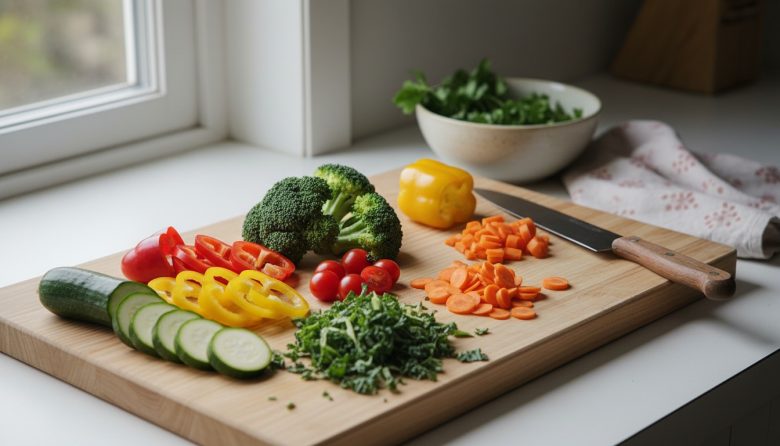
Batch chopping veggies Sunday eased my load—carrots diced, kale washed. Evenings felt less tired, more open. Small prep built steady momentum.
Embracing flexibility helped too. Swapping proteins kept it fresh. Less restless scrambling, more calm presence.
Noticing body cues guided choices—what left me steady? It tuned the routine to real days. Simple shifts like these sustain without pressure.
Thoughts from a 7-Day Mindful Walk Routine to Ease Daily Stress paired well, clearing my head for better plans.
Gentle Experiment: Try This for Your Next 5 Days
Pick one veggie, say carrots or spinach, and plan just three dinners around it. Roast, stir-fry, or raw—let prep stay under 20 minutes each time.
Track what feels steady: lighter evenings? Easier choices? No judgment, just notice.
What felt steady about it? Jot one note daily, then one gentle action: repeat with a new veggie next week. This builds quiet confidence.
Frequently Asked Questions
Do I need fancy ingredients for this?
Everyday market finds work best—carrots, onions, greens you see weekly. No exotic hunts; stick to what's familiar and affordable. It keeps the routine grounded in real budgets and stores.
Over time, you'll spot sales on zucchini or kale. That natural flow builds without extra cost or stress.
How much time does planning really take?
About 15-20 minutes on Sunday, notepad in hand. Glancing at the calendar and jotting veggies takes moments. The payoff: smoother weeknights.
As it becomes habit, it shrinks even more. Even on rushed Sundays, a quick scan suffices.
What if my family isn't into veggies?
Start with familiar favorites—roasted carrots like fries, peppers in quesadillas. Hide spinach in sauces or soups gently. Involve them in picking colors at the store.
Over weeks, familiarity grows. Shared prep turns it fun, easing resistance naturally.
Can I adjust for different seasons?
Yes, lean into what's local—summer zucchini, winter roots. Markets guide you effortlessly. It keeps flavors vibrant and plans fresh.
Winter soups from squash feel cozy; summer salads refresh. Seasonal shifts sustain the routine year-round.
Is this routine for beginners?
Absolutely, it builds gently from basics. Start with two meals if five feels much. Jotting steps creates confidence without overwhelm.
Many find it their entry to steadier eating. Adjust pace to your comfort—it's meant to fit, not force.