Last Sunday evening, as the kids' toys scattered across the floor and my inbox blinked with unread work emails, I felt that familiar tug of dread about the week ahead. What would we eat amid soccer practices, late meetings, and the endless shuffle? Over time, a simple weekly meal planning routine emerged—not as a rigid chore, but as a quiet anchor that left room for rest and real life. It turned chaos into calm, one gentle list at a time. I noticed how this small habit steadied my restless thoughts, making evenings feel less overwhelming.
That shift started small, born from too many takeout regrets. Now, it fits right into my rhythm, easing the mental load without extra pressure.
The Quiet Sunday Reset That Eases My Week
Sundays used to blur into exhaustion after a full weekend. One afternoon, with coffee in hand and the fridge half-empty, I sat for ten minutes jotting down meal ideas. It felt like a soft exhale before the workweek rush.
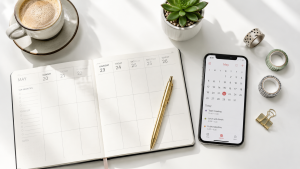
This reset isn't about perfection. I glance at the calendar, note the busy evenings, and let familiar recipes rise to mind. Last week, spotting back-to-back kids' practices, I listed quick stir-fries and sheet-pan bakes—no fuss, just steady flow.
That simple scan carried me through. By Monday, decisions felt lighter. It created space for what matters, like reading a story to the kids instead of staring blankly at the pantry.
I pair this with a quick body check too. On office days, weaving in a Standing Desk Transition Routine for Office Days keeps energy steady, so meal prep doesn't drain me further.
Stocking Staples That Feel Like Gentle Support
Some weeks, the fridge holds mysteries from impulse buys. Staples changed that. I keep versatile basics like rice, lentils, eggs, and whatever veggies linger from the market—nothing fancy, just reliable.
These aren't rules, but quiet helpers. On a rushed Tuesday last month, I pulled together lentils with spinach and a fried egg. It was warm, filling, and ready in fifteen minutes, easing the post-work slump.
Rotate them gently. Frozen berries for smoothies when mornings feel scattered. Canned tomatoes for sauces that simmer while I unwind. This stockpile turns "what's for dinner?" into a calm choice.
It builds calm over time. No more empty stares at bare shelves. Just a sense of being held by the kitchen itself.
Mapping Meals Around Our Real-Life Rhythm
Life doesn't pause for meal times. I start with dinners, the anchor of our evenings. Then layer in lunches from leftovers, fitting the week's pulse.
Take a recent hectic stretch: kid pickups clashed with my late calls. I mapped simple grilled chicken salads for Monday, veggie-packed pasta Tuesday, and tacos Wednesday—each under thirty minutes. Leftovers became Thursday's wraps.
This mapping respects the flow. Busy nights get one-pot wonders. Lighter days invite a bit more chopping if energy allows. It leaves room for spontaneity, like inviting neighbors without stress.
Sometimes, I tie it to rest. After trying a Simple Evening Wind-Down Routine for Restful Nights, cooking feels less like a chore and more like care. The body settles, the mind clears for planning.
Lunches follow naturally. Pack what reheats well. A Sunday note ensures no scramble at dawn. This rhythm turned my weeks from frantic to familiar.
Your Simple 5-Step Weekly Plan
Here's the flow that steadies me. It's flexible, built for real days. Follow along, tweak as needed.
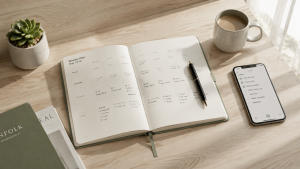
- Scan the week gently (10 minutes Sunday evening): Pull up the calendar. Note busy spots like late practices or meetings. Jot energy levels too—tired nights get easiest meals. Last Sunday, this spotted three quick-dinner days.
- Pick 5-7 core meals from staples: Draw from comforts like stir-fries, soups, or salads. Mix one new idea if calm allows. I chose bean burritos and quinoa bowls recently—familiar with a fresh twist.
- Build a quick shopping list (5 minutes): Check fridge gaps only. Limit to 8-10 items: proteins, veggies, a grain. Mine last week: ground turkey, broccoli, tortillas. Keeps it light, no overload.
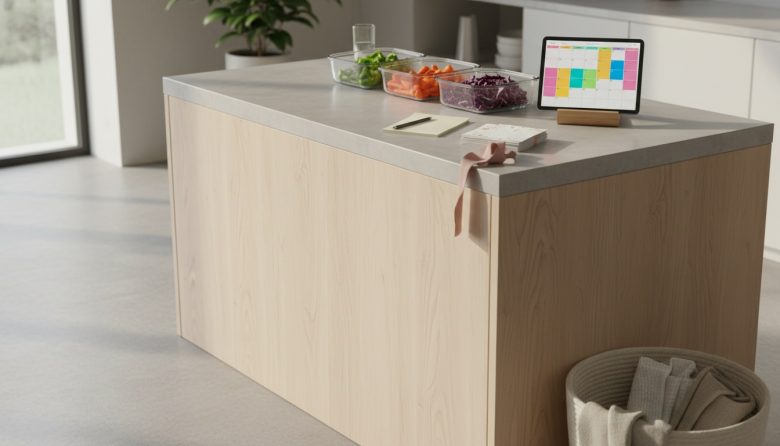
- Prep once midweek if it fits (20 minutes): Chop veggies or portion proteins on a steadier evening. Tuesday worked for me—diced onions ready for three meals. Eases later rushes without daily effort.
- Adjust freely as life unfolds: Swap a meal for takeout if needed. No guilt. One week, rain shifted plans; frozen dumplings saved the night. Grace keeps it sustainable.
These steps unfold without pressure. They saved my last chaotic week. Try them in your rhythm.
Navigating Hectic Twists Without Losing Steady Ground
Plans bend, rarely break. A sudden meeting or sick kid throws curves. I lean on freezer friends or "chaos kits"—canned beans, pasta, sauce.
Batch-prep shines here. On restless evenings, I double a soup. It covers two dinners, freeing tomorrow. Last flu season, this kept us fed without extra trips.
Short movement helps too. Slotting in 10 Short Workouts to Fit Every Day of the Week mid-afternoon lifts the fog, making tweaks feel doable. Energy returns, decisions clarify.
Forgiveness anchors it all. One off-plan night doesn't unravel the week. Just return to the list. This flexibility turned dread into quiet confidence.
What Helped Me, and Might Help You
Letting go of perfection brought calm. Early on, I chased gourmet lists—too much. Simple repeats fostered steadiness.
Sharing the load helped. Kids pick one meal weekly now. It builds connection, eases my solo carry.
Noticing small wins matters. A smooth dinner night feels like rest earned. These shifts made planning a gentle friend.
Gentle Experiment: One Small Shift for 5 Days
Start tiny: Sunday nights, jot three dinner ideas. No full list, just sparks from staples. Carry it through five days.
Notice what feels steady—less evening scramble? More breath? After, reflect: What shifted for you?
One gentle action: Grab paper tonight. List three. Let it ease tomorrow's flow.
FAQs
Do I need fancy ingredients for this?
No, everyday staples like rice, beans, eggs, and seasonal veggies do the work. They feel steady in any kitchen, pulling together meals without stress. Stick to what's familiar and on hand for that quiet support.
What if my family has picky eaters?
Involve them early—let each pick two favorites for the week. Build around shared comforts like pasta or tacos, adding a veggie side gently. Small agreements around the table foster calm over time.
How much time does planning really take?
About 20 minutes total on Sunday, spread if needed. The scan and list flow quick once habitual. It cuts daily decision fatigue, leaving more room for rest.
Can this work for solo eaters or couples?
Yes, scale to three or four meals. Focus on your rhythm—half portions, easy reheats. It eases solo evenings just as much, turning "what now?" into simple care.
What if I forget to shop?
Keep a "chaos kit" stocked: canned goods, frozen basics, dry pasta. It forgives skips, bridging to next Sunday. No big reset needed—just pull and proceed.