Why Your Cleaning Schedule Keeps Failing
If you have tried a traditional cleaning schedule - the kind that assigns "Monday: Dust, Tuesday: Vacuum" - and found yourself abandoning it by the second week, you are not alone. I have been there. When I first attempted a rigid schedule, I missed one Tuesday because a work deadline ran late. The next day, I was already behind. By Friday, the system collapsed entirely, and I spent the weekend frantically scrubbing everything at once.
The problem is not that you lack discipline. The problem is that a rigid schedule does not account for real life. Energy levels fluctuate, meetings run long, and kids get sick. Most cleaning schedules treat every day as if it were identical. But your energy and available time on a Tuesday morning are not the same as on a Saturday afternoon. That is why the Flexible Zone Method exists - a weekly cleaning routine for busy people that works with your life, not against it.
In this guide, I will walk you through a three-hour weekly cleaning plan that is flexible enough to survive missed days, smart enough to match your energy levels, and efficient enough to keep your home presentable without turning you into a full-time maid. You will also learn the 10-minute nightly reset that prevents weekend overwhelm, and the tools that cut your cleaning time in half.
The Flexible Zone Method: A Better Way
The core idea is simple: instead of assigning a specific task to a specific day, you assign a zone to a time block. A zone is a physical area of your home that can be cleaned holistically - counters, sink, and floor together. Your home is divided into five zones: Kitchen, Bathrooms, Living Spaces, Bedrooms, and Entry/Laundry. Each zone takes 30 to 45 minutes to clean thoroughly, depending on size and clutter.
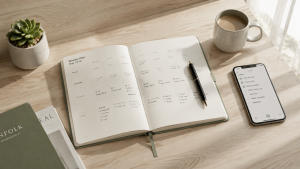
You schedule these zones across the week based on your energy levels and commitments. For example, you might do the Kitchen Zone on Monday evening, Bathrooms on Wednesday morning, Living Spaces on Thursday evening, and so on. The key is that you are not tied to a specific day. If you miss a zone, you do not panic. You simply swap it with the next zone on your list. This is the skip day protocol: if you skip a zone, move it to the next available slot, and shift the rest accordingly. You never double up two zones in one day unless you have the energy and time. The goal is to complete all five zones within seven days, not to stick to a rigid calendar.
Why does this work? Because it decouples cleaning from specific days. You are no longer "behind" if you miss a Monday. Instead, you have a rolling list that adapts. The method also forces you to see each zone as a complete unit, which is more efficient than doing isolated tasks. When you clean the Kitchen Zone, you wipe counters, clean the sink, and mop the floor in one go. You do not have to remember to come back later for the floor.
How to Define Your Zones
Your home may have more than five zones, but for a weekly routine, five is a good starting point. Here is how I break it down:
- Kitchen Zone: All counters, backsplash, stovetop, sink, and floor. Also include the outside of the fridge and microwave if time allows.
- Bathroom Zone: All bathroom surfaces - sinks, toilets, showers, mirrors, and floors. Include the outside of cabinets.
- Living Space Zone: Dusting, vacuuming, and tidying the living room, dining room, and hallways. This includes wiping down tables, electronics, and baseboards.
- Bedroom Zone: Making beds, dusting nightstands, vacuuming floors, and picking up clutter. If you have multiple bedrooms, split them across two slots.
- Entry/Laundry Zone: Sweeping/mopping the entryway, cleaning the front door, wiping down light switches, and folding/putting away any laundry that has piled up.
You can adjust these zones to fit your home. The point is that each zone is a self-contained unit. When you clean it, you are done with that area for the week.
Energy Management: Matching Tasks to Your Energy Levels
Most cleaning schedules ignore the fact that your energy varies day to day. Some days you can power through a deep scrub; other days you barely have the motivation to put dishes away. The Flexible Zone Method works because you can assign zones to days based on your predicted energy levels.
Think about your typical week. Which days are your highest-energy? For many people with an 8-5 job, Tuesday and Wednesday are more stable than Monday or Friday. Monday is often chaotic, and Friday is a wind-down day. So you might schedule the heavier zones - Bathrooms or Kitchen - for Tuesday and Wednesday, and the lighter zones - Entry/Laundry or Bedrooms - for Friday or the weekend.
But what if you have a low-energy day on a scheduled zone? That is where the flexibility comes in. You can simply swap with a lighter zone or move the zone to the next day. The method does not require you to push through fatigue. Instead, it acknowledges that some days you need a lower bar. This is a crucial insight that most cleaning guides miss: consistency matters more than intensity. A 20-minute tidy on a low-energy day is better than skipping entirely.
I have also learned to categorize tasks within each zone by energy level. For example, in the Kitchen Zone, wiping the counters is low-energy, while scrubbing the stovetop is high-energy. If I am running on fumes, I do the low-energy tasks and leave the high-energy ones for the next time I hit that zone. This way, I never feel like I have failed - I have simply done what I could.
The High-Energy vs. Low-Energy Task Split
Here is a quick way to classify common cleaning tasks:
- High-energy: Scrubbing toilets, cleaning showers, mopping floors, wiping down the inside of appliances, cleaning windows.
- Low-energy: Dusting surfaces, making beds, picking up clutter, wiping counters, sweeping quick areas.
When you plan your weekly zones, assign high-energy tasks to days when you know you will have more stamina. If you are not sure, start by scheduling the hardest zone for the day after your most restful night. You will learn your own patterns quickly.
The 10-Minute Nightly Reset: Your Secret Weapon
One of the biggest reasons homes get out of control is not lack of cleaning - it is the slow accumulation of clutter and mess throughout the day. A single dish left in the sink, shoes by the door, mail on the counter - these add up. By Saturday, the clutter overwhelms the space, and cleaning takes twice as long because you have to tidy before you can actually clean.
The solution is a 10-minute nightly reset, what I call the "closing shift." Just like a restaurant closes its kitchen at night, you close your home. This is a short, focused routine that you do every evening, no matter what. It takes 10 minutes, and it prevents the weekend overwhelm.
Here is my exact reset sequence:
- Set a timer for 10 minutes. (Use your phone or a kitchen timer.)
- Walk through the main living areas - kitchen, living room, and entryway. Put away anything that belongs elsewhere: dishes to the sink, mail to a bin, shoes to the closet.
- Wipe down the kitchen counters and the sink with a multi-surface spray. This takes 2 minutes.
- Fluff pillows and straighten blankets on the couch.
- Sweep or vacuum the high-traffic areas if they look visibly dirty - but do not feel pressured to do every floor. Just the spots you walk on.
- Set out the coffee maker or prep anything for the morning so you wake up to a clean, calm space.
That is it. Ten minutes. You will be amazed at how much this simple habit transforms your weekly cleaning. Instead of facing a chaotic house on Saturday, you only need to focus on the deep-cleaning tasks in each zone. The nightly reset also gives you a sense of closure - you are not leaving "today's mess" for tomorrow.
If you want to make the reset even more effective, pair it with a calming bedtime routine. As we covered in our guide on building a calming bedtime routine, the 10 minutes before you sleep can set the tone for the next day. A clean kitchen and a clear mind go hand in hand.
Cleaning Smarter, Not Harder: Tools That Save Time
You do not need a closet full of expensive gadgets, but the right tools can cut your cleaning time by 30-50%. Here are the ones that make the biggest difference for busy people:
Robot Vacuum
A robot vacuum is not a luxury; it is a time machine. I run mine every day while I am at work. It handles the daily dust and crumbs, so I only need to deep-vacuum once a week. Modern robot vacuums like the Roomba i3 or Roborock S4 can handle carpets and hard floors. They are not perfect - you still need to reach corners and edges - but they eliminate the most frequent floor-cleaning need. If you have pets, this is a game-changer.
I set mine to run at 9 AM on weekdays. When I come home, the floors are clean enough that I do not feel embarrassed to walk barefoot. On weekends, I do a deeper vacuum with a regular upright or a stick vac for edges and under furniture.
Steam Mop
A steam mop is faster than a traditional mop and bucket because it uses heat to sanitize without chemicals. It also dries in seconds, so you do not have to wait for floors to dry before walking on them. I use a lightweight steam mop on my kitchen and bathroom floors. It takes me 5 minutes to do the kitchen floor, whereas a traditional mop took 15 minutes plus drying time.
Microfiber Cloths
Invest in a pack of high-quality microfiber cloths. They are far more effective than paper towels at picking up dust and grime, and they are reusable. I use a color-coded system: blue for glass, yellow for general surfaces, green for kitchen, and red for bathroom. This prevents cross-contamination. You can wash them in the laundry, so they last for years.
All-Purpose Spray and a Caddy
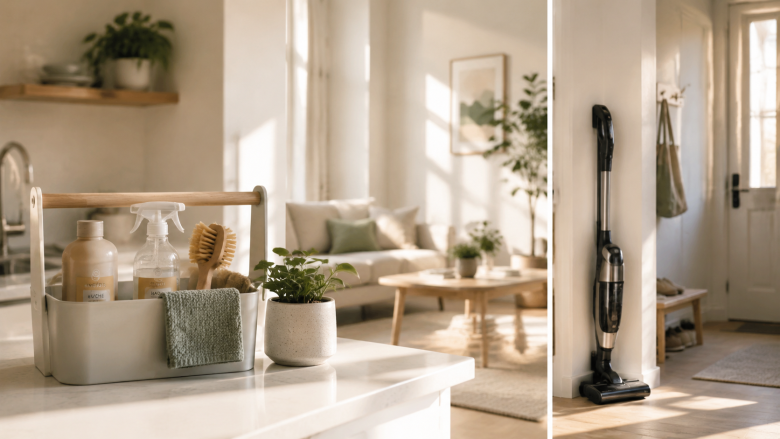
Instead of carrying a bottle of cleaning spray in one hand and a cloth in the other, get a small caddy or bucket that holds your spray, a few microfiber cloths, and a scrub brush. This way, when you enter a zone, you have everything you need. You do not waste time walking back and forth to the supply closet.
For the spray, you can use a simple vinegar-water solution or a commercial all-purpose cleaner. The key is to keep it in the caddy, not under the sink. This simple trick has saved me countless minutes.
One tool that is often overlooked is a long-handled duster with a microfiber pad. It reaches ceiling corners, ceiling fans, and high shelves without a ladder. I use mine once a week during the Living Space Zone to dust everything from top to bottom. It takes 5 minutes and covers an entire room.
When I first started using these tools, I was skeptical that they would save that much time. But the math is simple: a robot vacuum saves me 20 minutes a day, a steam mop saves 10 minutes per floor, and a caddy saves me at least 5 minutes per zone. That is over 4 hours a week saved. That is a full evening.
A Realistic Weekly Plan You Can Actually Follow
Here is an example of how the Flexible Zone Method might look for a typical busy person with an 8-5 job. This is not a rigid schedule - it is a starting point. Adjust based on your energy and commitments.
Monday (Low Energy after the weekend) - Entry/Laundry Zone (30 min)
Monday is often the hardest day. I keep it light. The Entry/Laundry Zone is mostly about tidying, sweeping, and putting away laundry. I also fold any clean laundry from the weekend and put it away. This zone does not require much scrubbing, so it is perfect for a low-energy day.
Tuesday (Moderate Energy) - Kitchen Zone (45 min)
Tuesday is my first solid workday, so I have some energy. The Kitchen Zone is the most frequented and often the messiest. I wipe counters, clean the stovetop, scrub the sink, and mop the floor. I also wipe down the outside of the fridge and microwave. If I run out of time, I leave the inside of the microwave for the next time I hit this zone.
Wednesday (High Energy - Midweek Peak) - Bathroom Zone (45 min)
Wednesday is my peak energy day. This is when I tackle the bathrooms. I clean the toilet, shower, sink, mirror, and floor. I also wipe down the cabinet doors. This is the most intense zone, so I save it for when I can handle it.
Thursday (Moderate) - Bedroom Zone (30 min)
By Thursday, I am starting to fade, but I can still handle a moderate zone. The Bedroom Zone involves making beds, dusting nightstands, vacuuming the floor, and picking up any clothes. If I have two bedrooms, I split them across Thursday and Saturday.
Friday (Low Energy - Wrap Up) - Living Space Zone (30 min)
Friday is a wind-down day. The Living Space Zone is dusting, vacuuming, and tidying the living room, dining room, and hallway. It is not physically demanding, but it makes the house look presentable for the weekend. I also do a quick 10-minute reset before I relax for the evening.
Saturday or Sunday (Flexible Catch-up)
This is my safety net. If I missed any zone during the week, I do it now. If I completed all five, then I either take the day off or do one extra deep-cleaning task, like cleaning the oven or washing windows. The weekend is also when I do the monthly deep-cleaning rotation, but that is a separate routine.
This plan totals about 3 hours of cleaning across the week. That is less than 30 minutes a day on average. The key is that you are never doing more than 45 minutes at a time, and you can move zones around based on how you feel.
Zone-Based vs. Task-Based: Which Is Right for You?
Most traditional cleaning schedules are task-based - they assign a specific task to a specific day. The Flexible Zone Method is zone-based. To help you decide which approach suits your life, here is a comparison:
| Factor | Task-Based Schedule | Zone-Based Schedule |
|---|---|---|
| Flexibility | Low - if you miss a day, the system collapses | High - you can swap and skip without guilt |
| Energy Matching | No - every day is the same intensity | Yes - you assign zones based on your energy forecast |
| Efficiency | Lower - you may clean the same room multiple times a week (e.g., dust on Monday, vacuum on Friday) | Higher - each zone is a complete unit, so you do not revisit the same area |
| Mental Load | High - you have to remember what day it is and what task is due | Low - you just look at your list of zones and pick the next one |
| Best For | People with predictable routines and high discipline | Busy people with variable schedules and competing priorities |
If you are the type of person who thrives on structure and never misses a day, a task-based schedule might work. But for most busy people, the zone-based method is more forgiving and more effective in the long run.
Common Mistakes and How to Avoid Them
Even with a flexible system, there are pitfalls that can derail your progress. Here are the ones I have encountered and how to overcome them.
Mistake #1: Trying to Clean a Zone Perfectly
When I first started, I would spend an hour on the Kitchen Zone because I wanted it to look like a showroom. That is unsustainable. The goal is clean enough, not perfect. Set a timer for 30 minutes and stop when it goes off. If you did not finish everything, you can pick up the remaining tasks next week. Perfectionism is the enemy of consistency.
Mistake #2: Letting Clutter Accumulate Between Zones
If you do not do the nightly reset, clutter will build up. Then, when you enter a zone, you have to spend half your time picking things up instead of cleaning surfaces. The 10-minute reset is non-negotiable. It is the glue that holds the whole system together.
Mistake #3: Not Adjusting for Your Energy
Some days you will wake up with zero energy. Do not force yourself to scrub a toilet on a day you are exhausted. Instead, swap a low-energy zone into that slot. I have had weeks where I did the Entry/Laundry zone three times because I just could not handle the bathroom. That is okay. The important thing is that you keep moving forward.
Mistake #4: Ignoring the Tools
I resisted buying a robot vacuum for years because I thought it was lazy. Then I realized that hiring a cleaning service was even more expensive. The robot vacuum paid for itself in the time it saved me. If you are busy, you need to embrace tools that do the work for you. This includes not just gadgets but also cleaning products that work faster, like foaming sprays that dissolve soap scum without scrubbing.
Mistake #5: Overcomplicating the Zones
You do not need 10 zones. Keep it simple. If you have a small apartment, you might only have three zones: Kitchen/Bathroom, Living Space, and Bedroom. The method scales to any home size. The key is to define zones that feel natural to you.
Final Thoughts: Consistency Over Perfection
The Flexible Zone Method is not a magic bullet. It still requires effort and discipline. But it is designed for real people who have jobs, families, and lives. By focusing on zones instead of tasks, matching work to your energy, and committing to a 10-minute nightly reset, you can keep your home clean without sacrificing your weekends.
When I finally stopped trying to follow a rigid schedule and embraced this flexible approach, I felt a huge weight lift. I no longer dreaded cleaning. I knew that even if I missed a zone, I could just shift it. The house was never perfect, but it was always presentable. And that is what matters.
If you are also trying to streamline other parts of your weekly routine, you might find our guide on easy weekly meal planning helpful. When your meals are planned, you spend less time in the kitchen, which means less mess to clean. The two routines work beautifully together.
Start this week. Write down your five zones, assign them to time blocks based on your energy forecast, and commit to the 10-minute reset. You will be surprised at how quickly your home stays tidy, and how much more time you have for the things you actually enjoy.