Some afternoons, I'd stare at my screen, feeling that familiar heaviness in my shoulders and a restlessness in my legs after hours at the desk. It wasn't about big workouts; it was the quiet drag of sitting that made evenings feel longer. One week, weaving in small movements changed that subtle tiredness into a steadier rhythm—nothing forced, just enough to notice the difference by Friday. Those little shifts reminded me how a body in motion, even lightly, can soften the edges of a desk-bound day.
I started noticing how the weekends left me a bit stiff, and Mondays carried that over. A simple plan across the week helped bridge it all. It felt like giving my body a gentle conversation rather than a command.
A Weekly Rhythm That Fits Around Your Desk
This table lays out light activities day by day, tailored for office life. Each one slots in without upending your routine. It's about finding pockets of ease amid emails and meetings.
| Day | Light Activity | Time Needed | Everyday Fit |
|---|---|---|---|
| Monday | 10-minute walk to nearby coffee spot | 10 minutes | Shakes off weekend lounge stiffness before first calls |
| Tuesday | Seated leg lifts and arm circles at desk | 5 minutes | Mid-morning pause during email checks |
| Wednesday | Standing stretch sequence by window | 7 minutes | Breaks the hump-day screen stare |
| Thursday | Quick stair climb or hallway loop | 8 minutes | Fits before afternoon meetings |
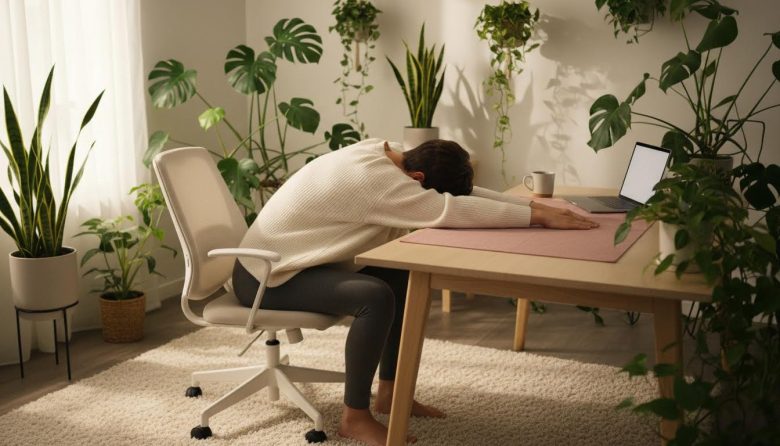
| Friday | Desk yoga twists and shoulder rolls | 6 minutes | Eases end-of-week tension |
| Saturday | Garden or park amble | 15 minutes | Morning reset with coffee in hand |
| Sunday | Gentle full-body stretch on floor | 10 minutes | Soft close to the week |
On Mondays, that 10-minute walk to the coffee machine stretched out the stiffness from weekend lounging. It became my quiet signal to the week ahead. By midweek, the standing stretches by the window cleared the fog without pulling me away long.
Fridays, those desk twists felt like a small reward, loosening shoulders before the weekend. Even on busier days, these fit right in. They turned sitting marathons into something less heavy.
Morning Anchors to Ease Into the Week
Mornings set the tone, especially after a night of uneven sleep. I found a simple anchor helped—like five minutes of arm swings and deep breaths by the window before coffee. It woke my body gently, without rush.
One Tuesday, rushing to a call, I skipped it and felt scattered by lunch. Next time, even standing in place with leg lifts steadied me. These anchors aren't rules; they're soft starts.
Pair it with habits from a 7-Day Hydration Routine for Clearer Focus Daily, sipping water during those breaths. The combo brings a calm readiness. Mornings like that carry through.
Try shoulder rolls while brushing teeth if the kitchen's tight. It flows into the commute. Small, steady openings to the day.
Workday Pauses That Quiet the Midday Fog
By noon, the desk hunch creeps in, eyes tired from scrolling. A quick pause changes that—like standing for leg swings or wrist flexes right at your spot. It quiets the building restlessness.
Last week, during a long meeting stretch, I stepped away for arm circles in the hallway. Coming back, my focus felt less frayed. These aren't breaks to force; they're breaths in the flow.
In a Busy Week Balance Routine with Short Daily Checks, I wove in similar pauses, noticing how they softened the afternoon drag. Desk life eases with them. No gym needed.
Even chair twists during calls work wonders. Keep it light, two minutes tops. The fog lifts, steadying the rest of the hours.
Evening Flows to Unwind Without the Weight
Evenings unwind best without added weight. After dinner, a short stroll around the block lets the day settle. Legs move, mind quiets—no pressure, just steps.
I remember one Thursday, skipping it after late work; sleep felt restless. The next night, those ten minutes shifted everything calmer. It's a gentle close.
Inside, try seated forward folds on the couch. Breath deepens, body releases. Flows like this bookend the desk hours softly.
Link it to better rest with ideas from Quick Tips to Improve Sleep During Busy Weeks. Evenings smoother lead there naturally.
Weekend Cadence for a Soft Reset
Weekends deserve a lighter touch, more recovery than push. Saturday's park amble with a podcast feels like permission to breathe. It resets without effort.
Sundays, that floor stretch lingers a bit, easing into Monday. One weekend, after a full day out, it was just five minutes—enough. Cadence here restores quietly.
No grand hikes; neighborhood loops suffice. Body thanks the ease. Weekends mend the desk week's subtle wears.
What Helped Me, and Might Help You
What stood out was consistency in smallness—no big leaps, just daily touches. Tracking in a notebook showed patterns, like how walks eased evenings most. It built trust in the rhythm.
Adjusting for rain or late nights kept it real. Friends noticed my steadier vibe, which warmed me. Sustainable tweaks like these invite calm over time.
Pairing movement with breath deepened it all. No force, just presence. What might help you could be one pause that fits your flow.
Gentle Experiment: One Small Rhythm for 5 Days
Pick one from the table, say a 5-minute desk pause daily. Try it for five days, noting how your afternoons feel. Keep it whisper-light, no judgment.
Mornings or evenings work too. Jot one word each night: steady, tired, calm? It reveals without pressure.
What one pause feels steady for you? Jot it down tonight, then step into it tomorrow.
Frequently Asked Questions
Can I adjust this plan if I'm really short on time?
Yes, shrink anything to three minutes—a quick walk to the printer or seated lifts. The point is ease, not perfection. It still shifts the day's feel.
What if I forget on busy days?
A phone reminder or sticky note on your monitor nudges gently. I set mine for noon; it became habit. Forgetting one day doesn't erase the others.
Does this help with that end-of-day tiredness?
For me, it brought a calmer close, less drag into evenings. Small moves release built-up tension softly. Notice your own evenings after a few tries.
Is this okay if I have minor aches?
Listen to your body, keep everything gentle and slow. Skip if it pulls, swap for breath-focused holds. Light is key—ease in, back off as needed.
How do I know if it's working for me?
Watch for subtle shifts: steadier afternoons, less evening restlessness. A notebook tracks it quietly. If it feels right, that's the sign—adjust from there.