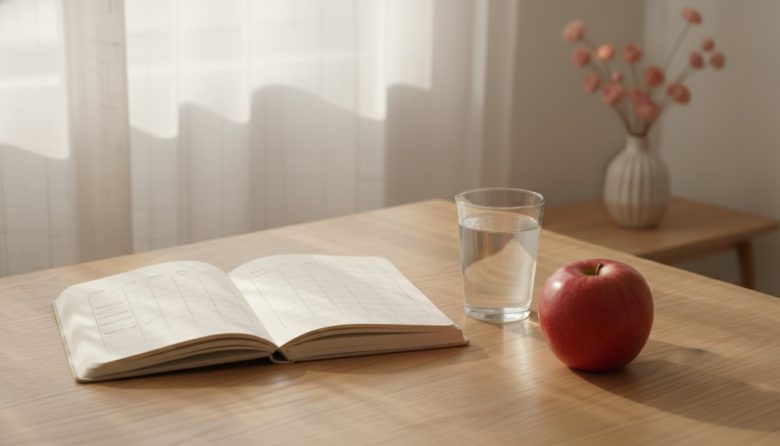
Last week, my days blurred into one another—late nights scrolling after family dinners, mornings rushing out the door feeling a bit off-kilter. I remembered how a simple weekly tracker had steadied things before, just a quiet way to notice patterns without any fuss. It wasn't about fixing everything at once; it brought a gentle awareness that made room for small, steady shifts.
When Scattered Days Called for a Weekly Anchor
I was juggling work calls and kid pickups, evenings slipping away in a restless haze. One Sunday, I sat with a cup of tea and sketched a basic grid on paper, marking spots for sleep and a short walk. That small anchor pulled me back each evening, turning scattered energy into something more grounded.
It started as a whisper of curiosity. What if I just noted how I felt after those walks? Over time, it wove into my routine, like a familiar path through the woods on a weekend reset.
Busy weeks have a way of pulling us in every direction. Yet, that tracker became my weekly pause, a place to breathe amid the pull.
Cornerstones That Feel Right: Sleep, Movement, and Quiet Moments
Choosing what to track keeps it personal and light. I picked sleep hours, because restless nights left me dragging through mornings. Movement came next—simple evening strolls that eased the day's tension.
Hydration snuck in too, especially after trying a 7-Day Hydration Routine for Clearer Focus Daily. Noting water intake alongside it showed how steadier sips smoothed my afternoons. Quiet moments followed, like five minutes with a book before bed.
Mood and connection rounded it out. A quick check on how connected I felt after a call with a friend, or if the day left me calm or frayed. These aren't rigid rules; they're gentle nods to what tugs at you daily.
Start with four to six areas that echo your weeks. If mornings feel foggy, track that first stretch from my Morning Stretch Routine to Energize Your Whole Week. Keep it tied to real moments, like noting if meal prep from Easy Tips for Stress-Free Weekly Meal Prepping eased dinner chaos.
This way, the tracker mirrors your life, not some distant ideal. It invites noticing without overwhelm.
Tools That Blend into Your Space – Notebook, App, or Wall Chart
A bedside notebook worked wonders for me, tucked under my lamp for evening wind-downs. Jotting before sleep felt natural, like closing the day softly. No screens, just pen on paper.
Apps came in handy during travel weeks—a simple one with checkboxes synced across devices. It blended into my phone's routine without pulling focus. Pros: always there, quick taps.
For visual folks, a wall chart in the kitchen caught my eye. Laminated and dry-erase, it sparked chats over breakfast. Hung where mornings happen, it stayed in gentle view.
Each tool has its rhythm. Paper for tactile calm, apps for on-the-go, charts for shared spaces. Pick what fades into your flow.
Your Weekly Tracker at a Glance
Here's a simple layout that fit my weeks. Rows for key categories, days across the top, and a spot for notes. Use checks or notes to mark what happened—no perfection needed.
Customize it: Swap categories to match your cornerstones. Fill as days unfold, or review evenings. It grows with you.
| Category | Monday | Tuesday | Wednesday | Thursday | Friday | Saturday | Sunday | Week Notes |
|---|---|---|---|---|---|---|---|---|
| Sleep (hours) | 7 | 6.5 | 8 | 7 | 6 | 7.5 | 8 | Steadier after early evenings |
| Movement (min) | 20 walk | ✓ | 30 stretch | 15 | ✓ | 45 hike | 20 | Walks calmed afternoons |
| Hydration (glasses) | 6 | 8 | 7 | 5 | 7 | 9 | 8 | More on busier days helped |
| Mood | Steady | Restless | Calm | Tired | Upbeat | Relaxed | Content | Saturday reset lifted midweek |
| Connection | Family dinner | Call w/ friend | ✓ | - | Chat w/ neighbor | Park time | Quiet alone | Small talks steadied me |
This glance sparked insights—like how better sleep rippled into calmer moods. Add rows as needed, or simplify. It's your map, not a chore.
Around 200 words here with table context, but the real value is in the patterns that emerge over weeks.
What Helped Me Mark It Without Extra Weight
Evening tea time became my cue—five minutes by the window, noting the day's highs. No judgment, just honest marks. It felt like chatting with a friend.
Keeping it to three checks kept the lightness. Pairing with a familiar ritual, like post-dinner stretch, wove it in seamlessly. What might help you? Anchor it to a steady moment.
I noticed patterns without pressure, like movement lifting tired evenings. Gentle nudges, not heavy lists. This approach sustained me through busy stretches.
Share it lightly with someone close if it fits. Their glances added warmth, not scrutiny.
A Gentle Experiment: One Week to Notice the Flow
Pick three categories that call to you, like sleep, a walk, and mood. Track for seven days, evening glances only.
At week's end, sip something warm and reflect: What steadied? What flowed naturally? No big changes—just notice.
This small step builds quiet familiarity. It might surprise you how awareness shifts the rhythm.
Letting Reflections Shape the Weeks Ahead
Over time, reflections guide soft tweaks—like earlier lights-out after spotting sleep dips. Small mindset shifts, like welcoming rest over push.
Sustainable changes bloom from here. What one category feels steady for you right now? Jot it down tonight, and let the week unfold.
Frequently Asked Questions
How do I pick my tracking categories if I'm starting from scratch?
Listen to what tugs in your days—if evenings feel restless, start with sleep or quiet time. Think of daily anchors like a morning walk or family chats. Let it be what naturally draws your eye, keeping it to four or so for ease.
What if I forget to fill it in some days?
That's part of the gentle flow—life happens. Focus on what you do log; patterns show up anyway. Pick back up next evening without a second thought.
Can I use a digital app instead of paper?
Absolutely, apps like simple notes or habit trackers work beautifully. I lean toward ones with clean grids, like Daylio for moods or Google Sheets for custom tables. They sync across devices, blending into phone checks effortlessly.
How often should I review the tracker?
Sunday evenings suit me, a calm look-back over tea. Spot what brought steadiness, like consistent walks. Adjust lightly for the week ahead.
Is this tracker for beginners only?
Not at all—it welcomes everyone. Beginners find simplicity; those with habits can deepen insights or simplify as needed. It scales with your weeks' natural rhythm.
Comments
Pingback: How to Set Weekly Goals That Stick: The Mid-Week Reset System - Rexopond