Last Sunday, after a restless morning shuffling papers and half-started chores, I stepped out for a simple loop around the block. The air carried that soft end-of-week hush, and with each step, the knot in my chest eased into something steadier. Walking became my quiet anchor amid busy days, turning scattered energy into a gentle rhythm that carried through the week.
It wasn't about grand routes or tracking every stride—just noticing how fresh air settled my thoughts after dinner. If you're feeling that pull toward calmer weeks, this weekly walking plan might fit right into your flow. Let's walk through it together, one steady step at a time.
The Quiet Pull of a Neighborhood Loop After Dinner
Evenings often blur into couch time after a long day, but slipping out for a 20-minute neighborhood loop changed that for me. The streetlights flickered on as I passed familiar houses, and the cool air brushed away the day's leftover tension. It felt like a soft bridge from work mode to rest, without any rush.
One Tuesday, rain pattered lightly, so I grabbed an umbrella and kept it short—still, that brief movement left me calmer for bedtime. No need for perfect weather or gear; just shoes and an open door. These post-dinner walks became my unwind signal, easing restless evenings into steady nights.
When I started layering in these loops, I noticed my weekends felt less frantic too. It was a small shift that rippled outward. If dinner transitions feel jagged for you, this might smooth them gently.
Fitting Walks into the Rhythm of Real Weeks
Weeks have their own pulse—high-energy mornings midweek, lazier weekends—and forcing daily walks often backfired for me. A weekly plan with 4-5 anchor days felt truer to that flow, leaving room for rest without guilt. It kept things sustainable, like breathing with the days instead of against them.
Take my first try: shorter 20-minute strolls on Wednesday and Friday mornings when energy peaked, then a longer 45-minute weekend loop. That balance prevented burnout and built quiet momentum. Weekends reset with fresh air, carrying steadiness into Monday.
Considering how to plan weekly evenings for relaxation helped me see walks as part of evening ease, not extra work. Real life ebbs and flows, so this rhythm honors that. It might help you find your own steady cadence.
Your Steady Weekly Walk Blueprint
Picture your week as a gentle wave: quieter starts, building to weekend breathers. This blueprint anchors 4-5 walks without overwhelming the rest. It ties into your natural energy, like morning clarity or evening wind-downs.
Start by mapping days that feel open—maybe mornings when you're freshest or evenings after meals. Keep distances forgiving: 20-30 minutes on weekdays, stretching to 45 on weekends. Variety keeps it fresh, like flat paths early, gentle hills later.
Pair each with a simple cue, and note what lands steady. Adjust lightly next week based on your notes. Here's the flow in steps:
- Pick 4–5 anchor days that match your energy, such as Monday, Wednesday, Friday mornings or Tuesday and Thursday evenings. I chose ones after coffee when my legs felt ready.
- Set gentle distances: 20–30 minutes on weekdays to ease in, 45 minutes on weekends for a deeper reset. This kept my body content without strain.
- Layer in variety: flat neighborhood paths early in the week, gentle hills toward the end for subtle interest. One Friday, a park trail added birdsong that lifted my mood.
- Pair with a simple cue: right after a meal, during podcast time, or with a favorite playlist. Post-dinner cues worked best for my evenings.
- Note what feels steady each time—what settled restlessness or brought calm—and adjust lightly next week. A quick phone note after each walk guided my tweaks.
This blueprint flexes with you, building quiet confidence over time. Relating it to how to organize fitness goals for the week ahead made my anchors feel purposeful, not rigid.
What Helped Me Build This Steady Habit
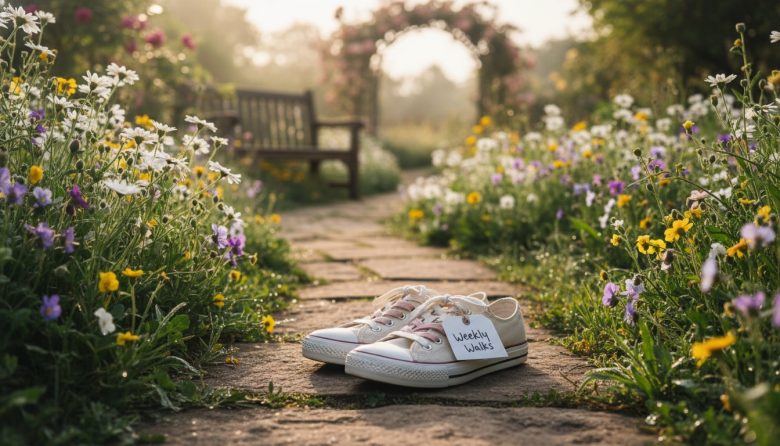
Comfy shoes were my first quiet win—nothing fancy, just well-worn sneakers that hugged my feet on rainy Tuesdays. Turning off my phone for those 20 minutes sharpened the air's freshness and my thoughts. It created space away from pings.
Scouting routes on rest days added ease; I'd drive a loop first, noting benches or views. One weekend, prepping light meals beforehand, as in how to prep light meals for your whole week, fueled walks without heavy fullness. Simple layers for weather kept me out longer.
What might help you: a dedicated playlist or walking with a podcast to pass time pleasantly. These touches made steadiness stick without pressure. They turned walks into a warm ritual.
Gentle Experiment: One Week of Walking Windows
This week, try 20-minute walks on 4 days that suit your flow—note feelings of calm or any lingering restlessness in a small notebook. Keep it light, no judgments. It might reveal your natural rhythm.
One small action: tonight, choose tomorrow's route on a map or memory. What one feeling are you curious about noticing? Step into it gently.
When Weeks Bend, How Walks Adapt
Busier weeks happen—a full schedule or unexpected rain—and that's when shorter loops shine. I cut a 30-minute plan to 10-minute backyard paces, still gaining that fresh-air steadiness. Indoor steps during calls worked too.
Splitting walks helped: 10 minutes before lunch, 10 after, piecing calm into fragments. It kept momentum without force. Flexibility turned potential skips into soft continuations.
What one tweak feels right for your bends? Notice how adapting deepens the habit's warmth over time.
Frequently Asked Questions
Do I need special gear to start?
Cozy shoes and layers for the weather often do the trick—I found my old sneakers worked fine at first, hugging my feet through uneven sidewalks. Layer a light jacket or hat as seasons shift; it keeps discomfort low. Start with what you have for that immediate ease.
What if I miss a day?
No pressure to catch up; just step back in next time, like I did after a packed Friday evening. Missing one doesn't unravel the rhythm—it's about returning gently. Your week regains steadiness quickly.
How do I know if it's helping?
Notice steadier sleep, clearer afternoons, or less evening restlessness; it's those small shifts over time. I felt legs less heavy by week's end, thoughts more settled. Trust the quiet changes.
Can I walk with others?
Yes, a friend, partner, or dog adds warmth to the loop—my weekend family strolls grounded Sundays beautifully. Conversations flow naturally, deepening the calm. It turns solo time social when it fits.
Is this for beginners?
Absolutely, start slow and forgiving; it helped me ease in without overwhelm on day one. Short distances build quiet confidence gradually. Anyone seeking steadiness can adapt it.