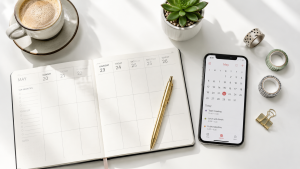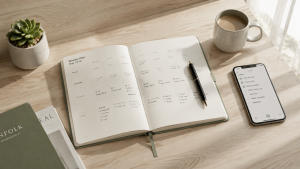
Last Sunday evening, as the light faded, I pulled out a simple notebook and glanced back at the week. Some days felt steady with small checks on my habits, while others slipped by in a quiet blur. Tracking didn't feel like a chore—it was a gentle way to notice what carried me through restless moments toward more calm ones.
Choosing Habits That Whisper Through Busy Days
I remember a week when work pulled me in every direction, leaving little room for big changes. That's when I picked just two habits: a short walk after lunch and a cup of evening tea. They fit right into the natural pauses of my day, like the lull between meetings or the quiet after dinner.
The walk became my way to shake off midday tiredness without forcing a long workout. It was only ten minutes around the block, breathing in the afternoon air. The tea ritual grounded me, steam rising as I sat with one steady thought before bed.
Selecting habits like these feels right because they whisper rather than shout. I avoided anything that demanded extra time or energy. Over time, noticing these small anchors brought a sense of steadiness amid the week's flow.
One tip I hold onto: let your habits mirror your rhythms. If mornings feel rushed, save something gentle for evenings. This approach keeps things light and woven into what already feels familiar.
Setting Up a Quiet Weekly Rhythm Without Overwhelm
Starting small changed everything for me during a particularly hazy stretch. I linked my tracking to everyday transitions, like jotting a mark right after my morning coffee. No need for fancy setups—just a page in a notebook opened to the same spot each day.
This rhythm built quietly, without the weight of perfection. On busier days, I'd glance at it during lunch, adding a check if the habit happened naturally. It turned tracking into a soft companion rather than a task.
I found inspiration in simple ideas like How to Set Up a Simple Weekly Wellness Tracker, which reminded me to keep it visual and close at hand. Placing the sheet by my kitchen counter made it part of the flow. Sundays became a moment to sketch the next week's grid lightly.
Without overwhelm, the week unfolded with more calm. I noticed restless evenings easing when I tied habits to wind-down cues. This setup invited steadiness, one gentle link at a time.
Think of your own transitions—bedside table, desk drawer, or fridge door. A quiet spot ensures the rhythm hums along. It helped me feel more present, day by day.
Weekly Habit Snapshot
| Habit | Monday | Tuesday | Wednesday | Thursday | Friday | Saturday | Sunday | Notes |
|---|---|---|---|---|---|---|---|---|
| Water intake | Glass by desk | |||||||
| Gentle stretch | Evening, 5 min | |||||||
| Gratitude note | One sentence |
This table became my quiet anchor, a snapshot of the week at a glance. I printed it or drew it by hand, filling checks or X's as moments happened—no pressure for full rows. The notes column held little reminders, like where I kept my water glass.
Using it felt easy, blending into evenings or mornings without fanfare. On weekends, I'd review patterns softly, noticing what flowed naturally. It revealed calm spots amid busier days.
Personal tip: keep a colored pen handy for variety—green for done, yellow for partial. This visual rhythm made glancing back rewarding. It turned the week into a story of small, steady wins.
Marking Moments That Feel Real, Not Forced
Stickers caught my eye first during a trip to the store—they were simple dots in soft colors. Placing one on my calendar after a walk made the habit tangible, a quiet celebration. No apps needed; this low-key way fit my restless hands.
Sometimes phone notes worked for on-the-go days, a quick tap during lunch. I kept it to one screen, no endless scrolling. These marks felt real because they matched the moment, not some rigid schedule.
One evening, after a long call, I added a sticker for my tea habit amid the clutter. It brought a smile, shifting tiredness to calm. Blending tracking into life like this kept it sustainable.
Experiment with what draws you—a journal check, a string on your wrist, or voice memo. The key is feeling the mark as part of your day. It nurtures steadiness without force.
Navigating the Hazy Days with Kind Redirection
Mondays often blurred for me, habits slipping like sand. Instead of frustration, I paused and noted the haze in my tracker. This shift—from perfect rows to honest reflection—eased the weight.
Redirection came gently: if a walk missed Tuesday, I'd try Wednesday with a smaller step. Kindness here meant picking up without replaying misses. It fostered a steady rhythm over time.
During one foggy week, half the checks stayed empty, yet reviewing Sunday felt grounding. I saw patterns in rest rather than gaps. This mindset turned hazy days into teachers.
Whisper to yourself on off days: tomorrow holds space. This redirection builds resilience softly. Hazy moments pass, leaving room for calm to return.
What Helped Me – and What Might Help You
A favorite mug by my tracking spot made mornings inviting—I'd sip while marking water intake. Pairing it with Weekend Reset Routine to Power Your Next Week wove reflection into Sundays naturally. These touches kept overwhelm at bay.
Short lists helped too: jot three habits weekly, no more. I noticed calm growing when I celebrated partial weeks. Visibility mattered—taping the snapshot to my fridge sparked daily glances.
Linking to meals eased busier days; ideas from Easy Tips for Stress-Free Weekly Meal Prepping freed mental space for habits. Gentle music during reviews softened the process. These what-helped moments stacked into steadiness.
You might find your anchors in quiet corners or familiar scents. Start with one, let it unfold. What helps often reveals itself in the doing.
A Gentle Experiment: One Week of Noticing
For the next five days, pick one habit—like a deep breath at noon—and mark it daily in a simple spot. Notice how it lands amid your rhythms, without judgment. At week's end, glance back: what small steady feeling emerged?
This experiment invites calm through awareness alone. Jot one note tonight about a past habit that lingered. Let it spark your quiet start.
A Few Thoughts on Habit Tracking
Does tracking have to be digital?
No, a simple notebook or printed sheet by your bedside often feels more grounding and personal. The tactile mark of a pen carries a quiet ritual that digital screens sometimes miss. It blends into your evening wind-down or morning pause effortlessly.
What if I miss a day?
Missing happens to everyone—it's part of the human rhythm. Just notice it softly and return the next day without extra weight. This redirection keeps the flow steady and kind over time.
How many habits should I start with?
Two or three that echo your natural day work best for most. Fewer allows space to feel their gentle pull without overwhelm. As steadiness builds, others may join naturally.
Can I track habits for sleep or mood?
Absolutely, simple symbols like a moon for restful nights or a sun for content moments reveal soft patterns. It turns vague feelings into visible threads. Over weeks, these insights foster more calm awareness.
What's the best time to review the week?
Sunday evenings suit many, offering a warm close before the new cycle. Sit with tea, glance at your snapshot, and note what felt steady. This ritual grounds you gently into the week ahead.