Last Sunday, as the light faded through the kitchen window, I stood there with a cutting board and a few simple ingredients, feeling the week's rush melt away. No frantic chopping on Tuesday nights, no last-minute store runs—just steady lunches ready to go. It wasn't about perfection; it was about that quiet steadiness that carries you through busy days. That small ritual reminded me how a calm kitchen can anchor even the busiest weeks.
When Your Kitchen Becomes a Calm Anchor
I used to come home restless after long days, staring into an empty fridge. Then I started setting aside time on weekends for a simple prep session. It shifted my evenings from hurried to restorative, like a gentle pause before the week ahead.
Picture this: soft afternoon light on the counter, the steady chop of carrots, pots simmering with their quiet bubble. I noticed how that rhythm brought a sense of steadiness, easing the tired pull of daily demands. No grand meals—just enough to feel grounded.
One weekend, after a full day out, I gathered basics like rice and veggies. As I stirred, the aroma filled the air, turning potential overwhelm into something warm and familiar. It helped when I kept it loose, maybe 90 minutes total, leaving room for rest.
This flows nicely into thinking about balance during rushed weeks. When considering the Busy Week Balance Routine with Short Daily Checks, meal prep becomes that short daily anchor, steadying the flow without extra effort. Those small moments add up to calmer evenings.
I found it steadied me most when I paired it with a quick wind-down, like dimming lights after. The kitchen turned from chore spot to calm retreat, one session at a time.
Choosing Recipes That Whisper Comfort
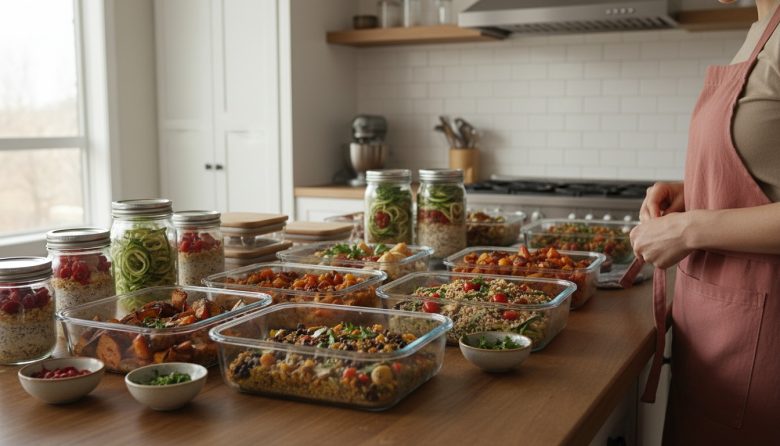
I lean toward meals that feel like old friends—simple, adaptable, and kind to tired evenings. Lentil stew, grain bowls, roasted veggie trays, and overnight oats top my rotation. They bend to whatever's on hand or what mood strikes.
Take lentil stew: simmer with onions, garlic, carrots, and spices for a pot that lasts. I found it helped when I picked flavors that felt familiar, like a warm hug on a chilly day. Add a squeeze of lemon at serving for that fresh lift.
Grain bowls mix cooked quinoa or rice with greens, nuts, and a tahini drizzle. Roast veggies become sheet-pan magic—toss with oil and herbs, done. These whisper comfort because they rehearse easily, no fussy steps.
Overnight oats in jars wait patiently in the fridge, layered with fruit and yogurt. Variety sneaks in by swapping toppings daily. It keeps things light, matching the day's energy.
A touch of gratitude weaves through here too. Drawing from the 7-Day Gratitude Practice Routine for Positive Vibes, I note one thing I appreciate about the meal each time—like the earthy lentil warmth—which adds a steady glow to the routine.
A Shopping List That Flows Naturally
Markets on Saturdays feel like a weekend reset when I carry a one-page list. Grouped by store sections, it keeps wandering minimal and stress low. Focus on seasonal picks keeps it fresh and light.
Produce: carrots (1 lb), onions (4), greens (2 bunches), seasonal veggies like squash. Pantry staples: lentils (1 bag), rice or quinoa (2 lbs), oats (1 container). These form the base without overbuying.
Dairy/alt: yogurt or plant milk (1 quart), nuts (small bag). Spices and oils: garlic, cumin, olive oil if low. Herbs fresh if possible, for that lively note.
One reset day, I spotted ripe tomatoes and swapped them in—list adapted on the fly. It felt steady, not rigid. Print or jot on phone; either way, it eases the mental load.
Here's a template to copy:
- Produce: carrots, onions, greens, whatever's vibrant that week.
- Grains/Legumes: rice, lentils, quinoa—bulk if you can.
- Add-ins: nuts, yogurt, lemon, basic spices.
- Notes: Check fridge first for leftovers to weave in.
This setup reduces trips and decisions, flowing right into smarter swaps.
| Common Stress Point | Simpler Swap | Why It Eases Things |
|---|---|---|
| Chop everything fresh | Buy pre-chopped veggies sometimes | Saves energy for cooking, leaves more calm for stirring and tasting |
| Multiple recipes at once | One base meal, vary toppings | Reduces pots and timing juggles, keeps the kitchen steady |
| Exotic ingredients | Stick to 5-6 staples | Shortens list, familiar flavors soothe without search stress |
| Precise measurements | Eyeball portions loosely | Frees from scales, trusts the feel for restorative flow |
| Fresh herbs always | Dried or frozen cubes | Handy backup, same aroma lift with less wilt worry |
| Big batches only | Prep for 3 days, repeat midweek | Avoids fridge overload, matches real-life eating rhythms |
The Gentle Rhythm of Batch Cooking
Batch cooking unfolds in waves, not a race—proteins or legumes first, then grains simmer alongside. Start with a big pot of lentils while chopping veggies. This layers flavors without chaos.
Play soft music; it turns chopping meditative, knife steady against the board. Roast trays next—veggies caramelize while grains fluff. The kitchen hums with that comforting rhythm.
One session: onions sweat golden, spices bloom, everything merges. Cool slightly before portioning. It took practice, but now it feels like a weekend exhale.
Time it loose: 20 minutes prep, 40 cooking, 10 packing. Stir occasionally, taste as you go. This wave approach keeps energy steady, no burnout.
Link it to restful nights ahead. Much like the Weekly Sleep Schedule Routine for Better Mornings, this rhythm sets a calm tone, easing into evenings without the dinner scramble.
What Helped Me, and Might Help You
Here are straightforward shifts that steadied my weeks:
- Prep only 3 days ahead—avoids overwhelm, room to tweak midweek.
- One-pot wonders first—fewer dishes, more calm sink time.
- Enlist a podcast—makes solo time feel companionable, less restless.
- End with a tidy ritual—wipe counters, brew tea; signals rest.
It steadied my weeks when I embraced these. They feel easy, achievable for anyone dipping in. Small tweaks, big quiet ripple.
You might notice your own versions emerging. That's the gentle part—tailor to what calms you most.
Portioning and Storing for Real Life
Glass containers with snap lids stack neatly, flavors stay true. Portion loosely: lunch-sized, room for add-ins. Label with day or "good til Wed"—flexible grabs.
One reset: pack bowls with grains bottom, veggies top, protein aside. Reheats even, minimal sog. Fridge door for oats, shelves for mains.
Freeze extras in flats—thaw as needed. It helped when I dated them lightly, no pressure. Real life means some days vary; this bends.
Stack in order of use—front for tomorrow. Simple system, steady retrieval. Turns mornings smoother, less decision drag.
Your Gentle Experiment: One Small Prep Shift
For 5 days, prep just two lunches—say, grain bowls with one swap from the table. Track in a quick note: how did it feel grabbing ready food?
Notice the steadiness, or any restless spots. What one swap will you test? Jot it down tonight, start small tomorrow.
A Few Notes from My Kitchen Table
How much time does a basic prep session take?
About an hour on a Sunday afternoon feels right for 4-5 meals—enough to calm the week without rushing. I start with coffee, end with tidy counters. It leaves space for whatever else calls.
Adjust for your flow; even 45 minutes builds that anchor.
What if I don't like cooking the same thing?
Mix bases like grains or proteins, then swap toppings daily for variety that still feels easy. One day tahini drizzle, next fresh herbs—keeps it alive. I rotate three mains weekly, no repeats.
This way, familiarity comforts without boredom creeping in.
Can I do this on a tight budget?
Yes, focus on staples like beans, rice, and veggies—stretch them thoughtfully for steady savings. Buy bulk dry goods, seasonal produce low-cost. One pot feeds many, leftovers weave seamlessly.
It adds up gently, easing money worries alongside meal stress.
What containers work best?
Glass ones with lids keep flavors true and reheat evenly, making grab-and-go feel simple. Affordable sets stack well, last years. Avoid plastic for that clean taste.
Start with 5-6; expand as rhythm builds.
How do I avoid food waste?
Prep smaller batches and freeze extras—it's helped me feel less restless about leftovers. Taste-test portions realistically, note what lasts. Donate or share surplus thoughtfully.
Over time, intuition sharpens, waste fades naturally.