Last Sunday evening, as the light faded and I sipped chamomile tea, I sat with my notebook feeling that familiar mix of tiredness from the week and quiet anticipation for what was next. Organizing fitness goals isn't about rigid plans—it's about noticing what brings a sense of steadiness amid busy days. This gentle approach helped me move through the week feeling more calm, and I hope it offers you a similar small anchor.
Pausing Amid the Weekend Reset
I remember one particular Sunday when the couch called louder than my sneakers. The week before had been full—meetings stacking up, evenings blurring into restless scrolling. Instead of jumping into a list of goals, I paused with a cup of tea and let my mind wander over the past days.
Noticing small moments stood out: that quick stretch by the window before lunch, the way a short walk home steadied my breathing after a long call. It wasn't about how far I went, but how those bits left me feeling a touch less scattered. This pause became my reset, a quiet space before sketching what might come next.
Energy ebbs and flows, especially with unpredictable schedules. I found jotting three words about each day—"tired arms," "steady legs," "restful skip"—revealed patterns without pressure. That simple recall turned reflection into a gentle bridge to planning.
As the weekend light softened, this habit of pausing helped me approach the week with less overwhelm. It reminded me that movement fits around life, not the other way around. From there, ideas for the days ahead started to feel inviting rather than daunting.
Recalling Rhythms That Felt Right
Some weeks feel uneven, like last month's when rain kept me indoors three days straight. I noticed my body craving gentle motion, not marathons—think swaying through a living room dance or circling the block at dusk. Spotting these helped me see what supported steady movement over forcing intensity.
One evening, after a day glued to screens, I recalled how pairing a podcast with arm circles eased my restless shoulders. It wasn't planned, just a rhythm that fit. Those memories guided me to favor short, repeatable ideas over grand schemes.
When energy dipped midweek, skipping a session without guilt felt like a win. I found that honoring those quieter days built trust in my own flow. Recalling what felt right turned past weeks into quiet teachers for the one ahead.
This reflection isn't about perfection. It's about gathering threads—like a walk that cleared fog or stretches that softened tension. As I looked back, the week ahead started to shape itself around what had already worked.
What Helped Me / What Might Help You
Over time, a few insights emerged from my own weeks. First, linking movement to existing routines steadied things—like stretching while coffee brews or walking during a phone call. It wove fitness into the day without carving out extra hours.
Another was noticing evening restlessness and countering it with floor poses before bed. Those moments left me calm, slipping into sleep easier. Pairing this with ideas from How to Build a Calming Bedtime Routine Weekly made the shift feel natural.
Resting without self-judgment turned out key too. On busier days, I swapped plans for deep breaths and noted it kindly. This kept momentum without burnout, highlighting small wins like consistent steps over zero.
Podcasts or soft music during movement made time fly, turning solo walks into thoughtful escapes. It helped when days felt heavy. These aren't rules, just gentle nudges from my notebook pages that might resonate in yours.
Sketching a Weekly Movement Map
I start with my calendar, spotting open pockets amid work and errands. Energy patterns show up too—mornings often brighter, afternoons sometimes sluggish. From there, I sketch loose ideas, like a lunchtime loop or post-dinner sway.
Keeping it intuitive feels right; no filling every slot. Last week, noting "tired after meetings" led to evening yoga over morning runs. This map adapts to real life, staying flexible as days unfold.
I draw from past reflections, favoring what brought calm before—like gentle flows on restless nights. Weaving in tips from How to Track Habits Easily Throughout the Week helps keep the sketch simple and honest. It's less a blueprint, more a friendly outline.
As the map takes shape, a sense of quiet readiness builds. Sentences vary in my mind: short walks for quick lifts, longer ones for unwind. This process turns anticipation into something grounded and kind.
Your Weekly Fitness Goal Tracker
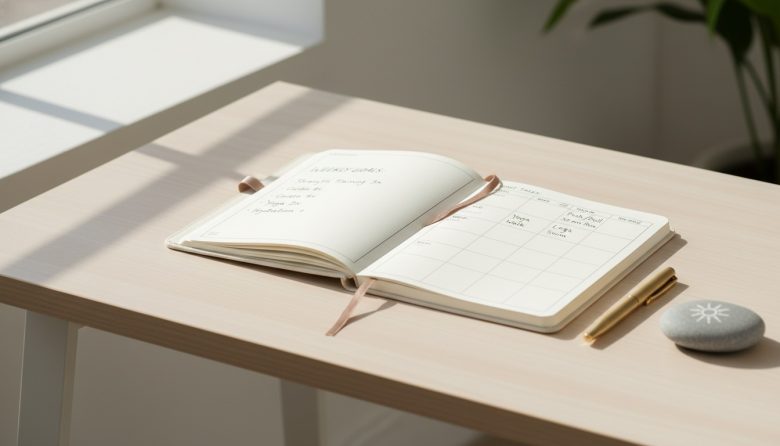
This tracker invites you to jot one small movement per day, keeping it light and adjustable. Use it to note ideas that fit your flow, then reflect briefly after. It pairs well with checking 5 Daily Habits List for Weekly Wellness Wins for extra sparks.
| Day | Movement Idea | Suggested Time | Post-Check Reflection |
|---|---|---|---|
| Monday | |||
| Tuesday | |||
| Wednesday | |||
| Thursday | |||
| Friday | |||
| Saturday | |||
| Sunday | |||
| Weekly Notes | |||
Fill the Movement Idea with something inviting, like "park stroll" or "desk stretches." Suggested Time keeps it realistic—10 minutes often suffices. The reflection column captures feelings like "steady" or "skipped kindly," building awareness week by week.
Print it, snap a photo, or sketch by hand. Adjust as needed; the notes row holds overflow thoughts. This visual keeps goals close without cluttering your mind.
A Gentle Experiment: One Steady Thread
For the next five days, try one 10-minute walk each day—maybe around the block or through a nearby park. Step out at a consistent cue, like after lunch, letting your pace match the moment. Notice how feet on ground shifts restlessness to calm.
If mornings suit better, shift it there; rainy days call for indoor laps. I found this thread built quiet confidence, one step at a time. Track it in your table to see the rhythm emerge.
After five days, pause: Did it steady your days? Tweak for the next stretch—shorten to seven minutes or add soft music. This experiment invites small consistency without strain.
It's not about distance covered, but the steady habit forming. Breath deepens, mind quiets. Let it weave into your week as a kind anchor.
Easing Forward with Quiet Confidence
One week, after filling my tracker loosely, I felt a shift—not triumphant, just quietly assured. Movement became a familiar friend amid chaos, small notes revealing progress like "legs looser" or "breath easier." This built trust for weeks to come.
Mindset eased too: viewing skips as data, not failures. What one movement feels inviting this week? Jot it now in your tracker, letting it spark the flow.
Carry notes forward, refining gently. This cycle turns planning into a warm ritual. Steady steps ahead await.
A Few Kind Notes on Weekly Planning
How do I begin if movement feels distant right now?
Start somewhere soft, like standing tall and rolling shoulders for a minute. Notice your breath join in, easing the distance. Build from there, one gentle motion at a time, letting familiarity return without rush.
What if my week gets busier than expected?
Shorten ideas or swap freely—the tracker holds those shifts kindly. A five-minute stretch replaces a walk; note what steadied you anyway. Flexibility keeps the calm, turning busyness into just another rhythm.
Should I aim for the same activity every day?
Not at all—let energy guide: yoga when tired, brisk steps when lively. Variety keeps it fresh, matching your day's mood. Over time, this mix reveals favorites naturally.
How do I use the reflection column?
After moving (or resting), add a word or phrase: "calm flow" or "arms grateful." It spots patterns, like evenings suiting stretches best. This whisper builds self-awareness softly.
Can I revisit this for the next week?
Absolutely—copy or print anew, pulling insights from last notes. Small tweaks, like favored times, make each week smoother. It becomes a ongoing journal of your steady path.